Source Injection Molded Plastic Parts for Car, Home, and Electronics
Compare 30 verified listings for injection molded plastic parts tailored for automotive, household appliances, and electronic applications. Buyers can evaluate specifications, certifications, and pricing to find suitable suppliers for custom plastic components; compare the available evidence and request quotations based on your requirements.
Key considerations
Products List




Comprehensive Sourcing Guide
Injection Molded Plastic Parts Sourcing Guide
Sourcing injection molded plastic parts requires a disciplined approach to balancing technical precision with commercial viability. Buyers must navigate a complex landscape where material selection, mold design, and production volume dictate both quality and cost. This guide provides evidence-based strategies for evaluating suppliers, verifying technical specifications, and ensuring long-term supply chain stability. By focusing on observable listing signals and rigorous qualification steps, procurement teams can mitigate risks associated with inconsistent quality, delayed deliveries, and non-compliant materials. The following sections outline the critical factors that influence successful procurement outcomes in this specialized manufacturing sector.
Product Scope and Observed Listing Signals
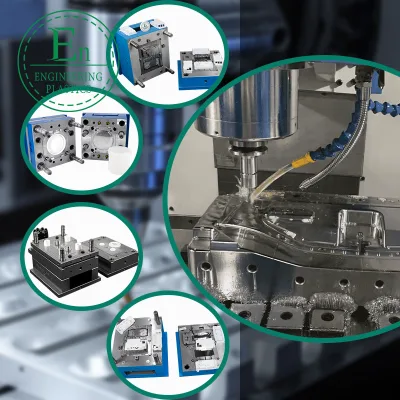
The observed market for injection molded components reveals a diverse range of applications, including automotive, household appliances, electronics, and furniture. Listings frequently highlight specific product models such as car air cleaner covers and general plastic mold parts, indicating a strong capability in producing both specialized and commodity items. Buyers should note that customization is widely available, allowing for tailored solutions that meet unique design requirements. The presence of multi-cavity molds suggests that suppliers are equipped for high-volume production runs, which can significantly reduce per-unit costs for large orders.
Material options listed include PVC, PA66+GF, ABS, PC, and Nylon66, reflecting the versatility of modern injection molding processes. These materials cater to different performance needs, from the durability required in automotive parts to the aesthetic flexibility needed for consumer goods. The mention of liquid plastic forms and thermosoftening plastics further underscores the technical breadth of available suppliers. Procurement teams should verify that the specific material grade matches their application’s mechanical and thermal requirements, as generic listings may not always reflect the exact specifications needed for critical components.
Technical Specifications to Verify
Technical verification begins with understanding the mold design and runner systems employed by the supplier. Hot runner systems are commonly cited, offering advantages in material efficiency and cycle time reduction compared to cold runner alternatives. Buyers must confirm whether the mold utilizes HASCO or DME standards, as these international benchmarks ensure compatibility and ease of maintenance. Additionally, the surface finish process, often described as polishing, plays a crucial role in the final aesthetic and functional quality of the part. It is essential to request samples to evaluate surface texture and dimensional accuracy against your specific tolerances.
The ejection mechanism and cooling systems are other critical technical aspects to scrutinize. Some suppliers drive ejection via hydraulic cylinders or mechanically, while others optimize cooling with beryllium copper inserts to enhance production speed. Interchangeability with tight tolerances, such as 0.005mm, indicates a high level of manufacturing precision. Buyers should also inquire about the design software used, such as UG, to assess the supplier’s capability in complex mold engineering. Verifying these technical details ensures that the chosen supplier can consistently produce parts that meet your assembly and performance standards.
Compliance and Safety Documentation
Compliance documentation is a non-negotiable aspect of sourcing injection molded parts, particularly for regulated industries. Certifications such as ISO, FDA, and TS16949 are frequently mentioned, signaling adherence to quality management and automotive industry standards. Buyers must verify the current validity of these certificates and ensure they cover the specific manufacturing facilities producing their parts. The presence of RoHS certification is also critical for electronic and consumer goods, ensuring that hazardous substances are minimized in the final product. These certifications provide a baseline assurance of the supplier’s commitment to quality and regulatory compliance.
Beyond certifications, buyers should request detailed material safety data sheets (MSDS) and test reports for the specific plastic materials used. While some listings mention ISO 9001:2000, it is important to confirm if the supplier has upgraded to more recent standards like ISO 9001:2015, if applicable. Documentation should also include proof of origin, with many suppliers listing China or specific regions like Shandong as their base. Ensuring that all compliance documents are up-to-date and directly relevant to your product’s end-use prevents potential legal and safety issues in the supply chain.
Cost Drivers and Commercial Terms
Cost structures in injection molding are heavily influenced by mold complexity, material selection, and order volume. The observed price range of $0.01 to $2000 reflects the vast difference between simple commodity parts and complex, high-precision components. Minimum order quantities (MOQs) typically range from 1 to 10,000 units, allowing for flexibility in production planning. Buyers should negotiate terms that align with their inventory strategy, considering whether lower MOQs justify higher per-unit costs or if larger volumes offer significant savings. Understanding these cost drivers helps in making informed decisions about production scaling and supplier selection.
Lead times are another critical commercial term, with mold creation often taking 25-30 days and product production requiring at least 10 days. These timelines can vary based on the complexity of the design and the supplier’s current workload. Packaging methods, such as steel boxes, cartons, or standard export packages, also impact logistics costs and product protection during transit. Buyers should clarify who bears the responsibility for packaging and shipping, and ensure that the chosen method prevents damage during international transport. Clear commercial terms regarding lead times and packaging help in planning production schedules and managing cash flow effectively.
Supplier Qualification and Quality Control
Supplier qualification requires a thorough assessment of their manufacturing capabilities and quality control processes. Buyers should verify the supplier’s experience with specific materials and applications, such as automotive or medical components, to ensure they have the necessary expertise. Requesting references or case studies can provide insight into the supplier’s reliability and consistency. Additionally, on-site audits or virtual tours can help assess the condition of their machinery, the organization of their production floor, and the rigor of their quality control protocols. These steps are essential for identifying suppliers who can meet your long-term needs.
Quality control measures should include in-process inspections and final product testing. Buyers should inquire about the supplier’s defect rate and their procedures for handling non-conforming products. The ability to provide detailed inspection reports and traceability records is a strong indicator of a supplier’s commitment to quality. Furthermore, verifying the supplier’s capacity for customization and their responsiveness to design changes is crucial for projects requiring iterative development. Establishing a robust quality control framework with your supplier ensures that any issues are identified and resolved promptly, maintaining the integrity of your supply chain.
Long-Term Procurement Checks
Long-term procurement success depends on continuous monitoring and relationship management with your suppliers. Regular performance reviews should assess key metrics such as on-time delivery, product quality, and responsiveness to issues. Establishing clear communication channels and regular feedback loops helps in addressing potential problems before they escalate. Buyers should also stay informed about any changes in the supplier’s certification status or manufacturing capabilities, as these can impact the reliability of the supply chain. Proactive management of supplier relationships ensures that you maintain a stable and efficient sourcing strategy over time.
Additionally, buyers should periodically re-evaluate their supplier base to ensure they remain competitive in terms of cost and quality. Market fluctuations, technological advancements, and regulatory changes can all impact the sourcing landscape. Diversifying your supplier base can mitigate risks associated with single-source dependencies, while maintaining strong relationships with key partners ensures priority treatment during high-demand periods. By combining rigorous initial qualification with ongoing performance monitoring, buyers can build a resilient and efficient supply chain for injection molded plastic parts.
FAQs
What certifications do the injection molded plastic parts have?
The products hold TSCE, ISO, FDA, TS16949, RoHS, and ISO 9001:2000 certifications. These credentials ensure compliance with international safety and quality standards for automotive, medical, and household applications.
Which plastic materials are available for custom injection molding?
Available materials include ABS, PC, PA, PMMA, POM, and Nylon66. Specific options like PVC and PA66+GF are also listed, allowing selection based on the required mechanical properties and application environment.
Can the injection molds be customized for specific designs?
Yes, customization is available for design software like UG and specific product models. Buyers can request tailored cavity configurations, runner systems, and surface finishes to match unique engineering requirements.
What is the lead time for mold and product production?
The lead time is 25-30 days for the mold and at least 10 days for the products. This timeline ensures efficient delivery while maintaining the precision required for complex injection molding processes.
How are the injection molded parts packed for shipping?
Packaging options include steel boxes, cartons, and standard export packages. These methods protect the parts during transit and ensure they arrive in pristine condition for immediate use in manufacturing lines.
Which applications are suitable for these plastic injection parts?
Applications span automotive, household appliances, electronics, hardware, and furniture sectors. The parts are designed to meet diverse needs ranging from car air cleaner covers to general commodity components.